
Vitalism (www.vitalism.io), despite the identical name, is here in no way related to the vitalism, a now refuted doctrine in chemistry and biology according to which the basis of all living beings is an unmeasurable "life force" or life energy.
Vitalism is an initiative founded by Adam Gries and Nathan Cheng that wants to establish Longevity States in order to achieve a large-scale reallocation of resources (minds and capital) as well as the right regulations for rejuvenation research. Its stated goal is to bring aging to an end as quickly as possible.
Accordingly, anyone who works to enable all people to live an indefinitely long life in optimal health can be called a Vitalist.
Vitalism and the Party for Rejuvenation Research are independent initiatives with the shared goal of accelerating the development of rejuvenation medicine.
Here is an introductory video on Vitalism:
Here is the Vitalism white paper:
So far, humanity has surrendered to the horrors of aging and death as unavoidable certainties.
But in the age of biological science, unlimited health and lifespan are bound to happen.
The only question is whether we will act to make them happen in our lifetime.
The Vitalist Declaration
- Life and health are good. Death is humanity's core problem, and aging its primary agent.
- Aging causes immense suffering, and obviating it is scientifically plausible.
- Humanity should apply the necessary resources to reach freedom from aging as soon as possible.
- I will work on or support others to work on reaching unlimited healthy human lifespan.
- I will carry the messages against aging and death.
Summary
Vitalism is the revolutionary movement against death and biological decline. Our mission is to end aging and offer freedom from death to all.
For this to be achieved in our lifetimes, we need to make freedom from aging and death humanity's #1 priority. Only then will it be possible to re-allocate humanity's resources - increasing the relevant research and technology development by orders of magnitude, and build new healthcare systems and a culture of longevity. Once we succeed, all can enjoy optimal health indefinitely. Our first milestone is for humanity to deploy at least 1% of global GDP/year to fight aging.
To reach our goal, we first need a new namespace to articulate the distinct philosophy encapsulated in the Vitalist Declaration. Existing namespaces such as Longevity, Anti-Aging and Transhumanism don't allow us to effectively rally for the common goal.
Vitalism will:
- Unify all who align with the Vitalist Declaration ("Vitalists").
- Inspire critical masses of Vitalists to pool resources and obtain influence.
- Promote a Vitalist economic ecosystem offering goods and services in health, wellness, and longevity. This ecosystem will attract people to Vitalism and be an economic engine for the mission. It can also be an operating system for any community to enjoy optimal longevity.
Initial Strategy
Given an analysis of the current context, an attractive strategy is to transform existing or new jurisdictions into Longevity States - States that prioritize extending their populations' lifespans in optimal health. Such States will set new regulations and devote at least 1% of GDP/year to R&D to solve aging, the principal cause of biological decline. For context, 1% of GDP/year is more than 200x of what any jurisdiction invested to fight aging as of 2022.
Beyond their investment in R&D, Longevity States will serve as a lighthouse for all who aspire to live healthfully. Through legislation, reform and innovation, such States will be the easiest place in the world to live at optimum health, flip the system from sick care to health care, and attract money, talent and innovation. Longevity States will also be part of a greater global Longevity Network, aligning all who share the Vitalist mission.
As more people engage and enjoy positive impact from our efforts, State transformation will accelerate. And once one Longevity State is established, others will follow. Vitalism will speed up this process by encouraging Vitalists to prioritize the most promising jurisdictions.
For example, small US States can define their own education policy, tax policy, local laws and incentives for businesses, and have a powerful voice at the national stage, not least given their two Senate seats. That said, such States have limited populations and capital, and limited control of biomedical regulation, immigration, or influence on massive Federal budgets.
In Europe, Swiss cantons have similar potential in autonomy and economic size.
Small countries have other distinct advantages; for example, Montenegro (pop. 620,000) has voiced support of a Longevity agenda and controls biomedical regulation, immigration, national budgets and a national health care system. Special economic zones or charter cities such as Próspera, Honduras, stand out for progressive regulatory environments.
Larger jurisdictions like the USA are cumbersome to influence, but have huge resources. As one approach, 10 Vitalists in the US House of Representatives could drive re-allocation of billions a year. And Saudi Arabia is already making efforts to become a Longevity State, having committed to invest up to $1 billion/year to fight aging, which equals 1.25% of its annual GDP.
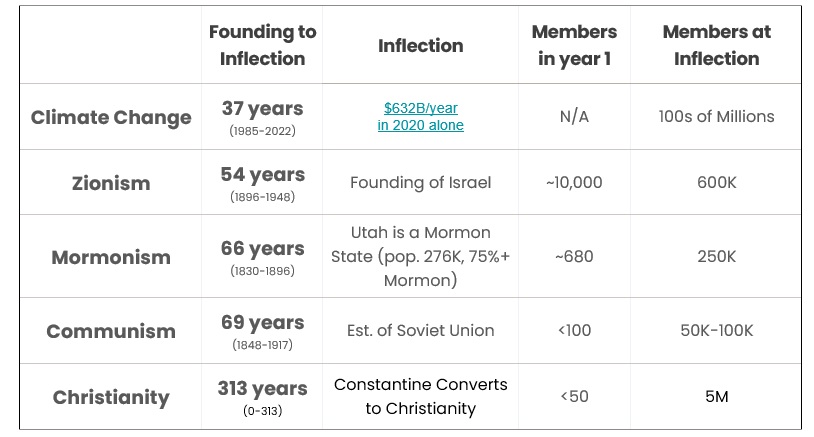
No matter the jurisdiction, Vitalism will attract both existing and new residents, especially given the new realities of remote work. As one reference, the Free State Project has only ever had around 30,000 members, but today Free Staters have 29/400 seats in the New Hampshire state assembly. Because health is a universal want and, for Vitalists, a matter of life and death, we expect many more members in a shorter period.
Also, the State that moves fastest towards becoming a Longevity State is likely to accelerate once it hits even a small critical mass. For instance, even 5,000 Vitalists in a small State or country would instantly make that jurisdiction a global longevity Mecca.
Longevity States will accelerate scientific progress in some or all of the following ways:
- Increase direct funding of R&D
- Give incentives to entities in the longevity, biotech, health and wellness sectors
- Pass right-to-try laws to increase access to health innovation
- Offer loan forgiveness to state-school graduates who stay and work in longevity
- Normalize and elevate work on longevity through a mandatory syllabus for K-12 and advocacy everywhere
- Consolidate electronic medical records and data collection to benefit research, and offer every resident stem cell banking and cryopreservation
They will also improve health in the here and now, with exact strategies depending on context:
- Incentivize healthcare providers to offer health care and not sick care
- Implement intentional blue zone policies for new neighborhood construction
- Penalize entities that drive negative health externalities and reward the opposite
- Support community efforts and sponsor volunteerism to support the elderly
- Support midwifery and prenatal and postnatal care based on best practices
Addendum
It's the best time in history to confront aging and death. Public sentiment is ripening to the idea of treating aging as the root cause of disease, while demand for longevity-oriented lifestyles and remote work make it easier than ever for communities to intentionally relocate. Finally, the science is in sight.
Vitalism is meant to unify all who love life, and is starting with a call for every member of the longevity community to strategically focus their efforts in specific jurisdictions. By creating high density networks we can merge our voices and vastly amplify our influence.
We will work pragmatically and dynamically, embracing any effective approach. And once enough jurisdictions become Longevity States, success is inevitable.
Vitalism Whitepaper v1.0
May 2023
Author: Adam Gries
Contributors: Nathan Cheng, Eran Glicksman, Rie Yano, Laurence lon, Mark Hamalainen, Oren Milman, Sebastian Brunemeier, Sam Sharifi, Michael Florea, Kai Micah Mills, Yuri Deigin, Shimon Meshi, Daniel Ives, Matt O'cconor, Christine Peterson, Ivan Morgunov, Jonathan Swanson, Raiany Romanni, Katherine Krug, Ryan Rzepecki, Victor Forissier, Guy Bahat.
Table of Contents
- Aging and State-Level Influence
- Our Health and Lifespan Story
- Now is the time
- Strategy
- The Vitalism Organization
Aging and State-Level Influence
Aging is by far the main cause of decline and death in humans. It is the chief risk factor for the most prevalent terminal diseases and has no remedy. As the only universal existential threat and source of suffering for people, ending aging is the highest priority in making death a choice.
Today, humanity allocates comparably tiny resources to understand or treat aging. Instead, our sick-care system spends trillions on the late-stage consequences of aging ("age-related" diseases such as cancer, heart disease, and dementia) once they are highly pathological, offering no path to fix aging itself.
Examples of ineffective spending abound:
- $42.5 billion spent on Alzheimer's research since 1995 with almost no results.
- Hundreds of thousands of scientists work on cancer, yet only thousands focus on aging.
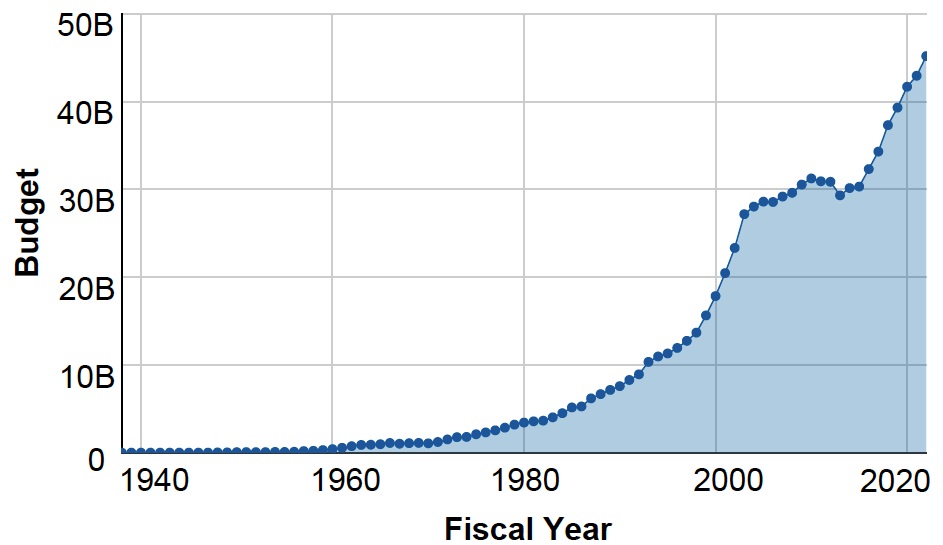
- The NIH is by far the biggest funder of biomedical research in the world. Of its $50 billion budget, only $300 million (less than 1%) is dedicated to basic aging research.
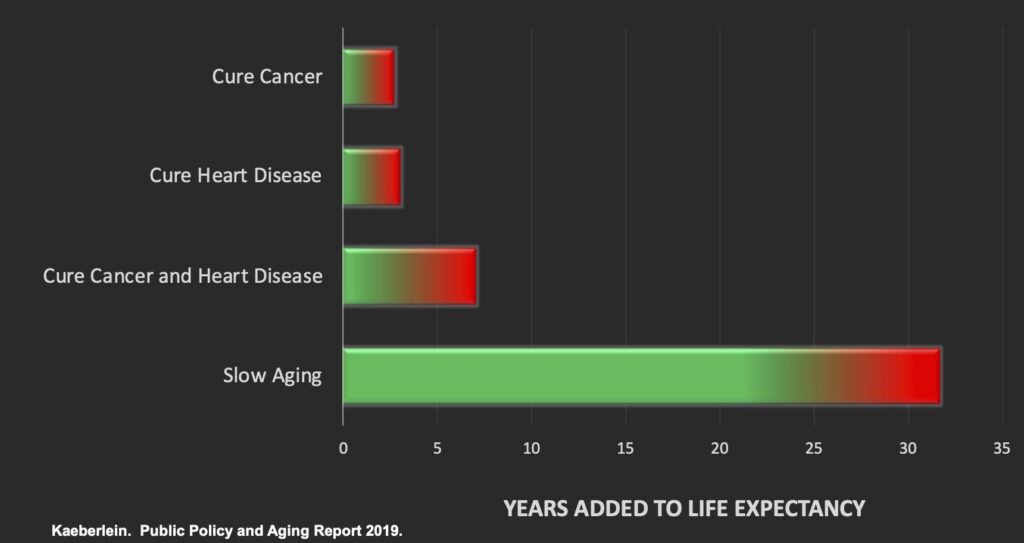
Fighting the diseases of aging but not aging itself is futile, since curing one such disease, or even all of them, will only extend lifespan by a handful of low-quality years. This is the wrong way to spend trillions, especially given clear evidence that we can impact aging itself.
Additionally, existing regulatory systems are not suited to tackle aging; they prioritize avoiding harmful actions - but ignore that the largest source of harm is now inaction. Preference for no-risk interventions, low right-to-try, and a cumbersome trials system are merely symptoms.
And even noble motives lead to sick-care capture. In democracies, legislators respond to disease lobbies who want cures for their loved ones and mandate investments in research on disease, whose innovations flow to a regulatory and Pharma system built to seek profitable drugs for disease indications. The systems that eradicated infectious disease and grew life expectancy in the 20th century can't handle our primary problem but still receive the most resources.
Another challenge is perception. Until recently, solving aging seemed like a hopeless idea. Combined with the natural aversion to confronting something as scary as frailty and death, it's no wonder most people don't even want to consider addressing aging.
But recent scientific progress gives cause for optimism. Since Cynthia Kenyon's lab doubled C. elegans lifespans via gene mutation in 1993, we have mapped the full human genome and discovered how to revert adult cells to a rejuvenated stem cell state. Further, we've shown that an old animal's cell can make a youthful clone with normal lifespan, meaning the data that can produce youth is not lost over time. But so far only a small longevity industry has emerged, with often misplaced focus and messaging.
Some in the industry hardly care for lifespan and focus only on healthspan, an ethical and scientific contradiction. Others cynically sell unrealistic anti-aging promises to make a quick profit. And even Vitalists are often forced to compromise and build incremental projects that fit a disease indication to attract funding.
Only a tiny few work directly to end aging, some 5K people in all. Lack of awareness, capital and opportunities drive this systemic failure. As a result, we and our loved ones continue to decline and die while great minds optimize click-through rates at FAANG (Facebook, Apple, Amazon, Netflix, Google) or invent addictive entertainment experiences.
Meanwhile, those who want resolute action to fight aging are divided and disempowered, and even the idea to devote huge resources to fight aging can draw fierce criticism and deter work.
Despite all of the above, as of 2023 a few approaches are being pursued.
- Develop incremental interventions targeting aging, hoping something quickly works well enough to trigger a public opinion shift and an explosion of interest and funding.
- Attempt to change regulations and funding through traditional lobbying.
- Petition billionaires to save us with capital (Calico, Altos Labs).
- Work on "moonshots" despite meager resources, with correspondingly slow progress.
- Focus on AI.
Except for AI, which is unpredictable but can be part of any strategy, no current approach is likely to save those alive today. For example, the drugs most efforts focus on today may take a decade to get to patients, are expensive, and only add a few years to lifespan at best. We can't wait that long for so little impact, and need efforts at an entirely different scale.
To succeed, Vitalism focuses on paths to State-level influence
States can carry out the required resource reallocation to support monumental projects of Apollo-program-level scope. States can educate a generation and normalize the fight against biological decline and death. States can change the paradigm from sick care to health care and make it easy to be healthy. And States can set regulations, mobilize millions of people, and deploy trillions of dollars.
Where to start
Since most people still don't see the problems of aging and death as tractable, Vitalism proposes a focus on jurisdictions where our community and values can gain disproportionate impact.
These jurisdictions may include some combination of the following features:
- Demographics that allow transformative Vitalist political impact in less than 5 years
- Local control of taxation and K-12 education
- Be accessible to Vitalists
- At least some jurisdictional autonomy when it comes to health and biomedical innovation
- Close to major capital, population and academic centers, and an open-minded culture
- At a local level, the ability to quickly establish Vitalist influence, and by combining multiple locales, create leverage at the national level
For maximum access and leverage, Vitalism supports the establishment of organizations that can promote key initiatives or amplify the movement. As a first step, these organizations may prioritize evaluating jurisdictions in and including the United States (e.g. Delaware, US, and key districts for House Representatives), in the Schengen Zone (e.g. the Canton of Zug, Switzerland) and other jurisdictions with lower barriers to immigration and high regulatory flexibility.
Alongside state-building, Vitalism envisions the dismantling of all barriers to lifespan extension. For example, humanity's deep psychological aversion to confronting aging and death is woefully understudied. While in daily living we go to great lengths to avoid injury and death, we don't react to them happening in an abstract future time.
It's a bug in our system for long vs. short-term thinking, evidenced by the fact that few healthy people of any age ever elect to die. To address this, Vitalism supports psychological and behavioral research as well as the development of media and communication strategies to shift perceptions and opinions.
To fund these plans, Vitalism organizations will carry out for-profit initiatives in longevity, health and more. Such initiatives will allow increasing numbers of people to financially participate in Longevity State development while also serving and cementing our growing community. Specific activities will be chosen so as to maximally amplify the Vitalist mission while providing an inclusive context that can attract participation by all ecosystem actors.
Our Health and Lifespan Story
People don't generally want to get sick or die.
But until recently we had limited knowledge or interventions to impact health outcomes.
Before farming and cities, hunter-gatherers evolved to thrive in their locations, but diseases or wounds that are minor today could prove fatal, and serious illnesses were a death sentence. Illiteracy reigned, subsistence was a struggle, and medical care varied based on quality and availability of local healers.
This may suggest civilization led to continuous lifespan extension, but that would be false.
Excluding infant mortality, extant hunter-gatherer societies have lifespans similar to those of England in 1891. In some cases, urbanization caused life expectancy declines, a result of diseases of density, poor sanitation and more. In parallel, farming led to malnutrition and micronutrient-deficiency diseases, while pastoralism led to the emergence of tuberculosis, and influenza was transmitted from domestic animals.
Civilization did bring benefits too - it enabled specialization and allowed science to emerge. Pharmacology, acupuncture, and surgery evolved, and delicate procedures like cataract surgery were done by 1750 BC. Rome, in 300 BC, had medical schools, hospitals, and pharmacies.
But innovation was slow; for example De Materia Medica, describing 600 cures, was the #1 pharmacology book for 1500 years (60 AD - 1560 AD).
Things changed around 1550 when scientific innovation and a changing culture led to rapid discoveries. Cadaver dissection unlocked human anatomy, and the invention of microscopes in 1600 led to the discovery of cells (1665), bacteria and protists (1677), although people largely didn't know what they did.
To keep up, the term biology was coined in 1800 to describe the scientific study of living organisms. It replaced the term "natural philosophy", which focused on describing and classifying life rather than understanding its mechanisms.
Still, uptake of new concepts was slow (for example, in 1847 Ignaz Semmelweis dramatically reduced maternal death rates by requiring doctors to wash hands before attending births; but he was attacked by the establishment, which had no idea why his method worked). It was only in 1839 that cells were acknowledged to be the basic building blocks of life, and in 1900 that germ theory (tracing disease to microorganisms) was widely accepted. Similarly, while vaccines were used since Jenner's smallpox vaccine of 1796, viruses were only proven to exist later (Martinus Beijerinck used filtering experiments to show that tobacco mosaic disease is caused by something smaller than a bacterium - which he named a "virus"). And vitamins, essential to life, were only discovered between 1910 and 1930.
In the early 20th century progress accelerated dramatically:
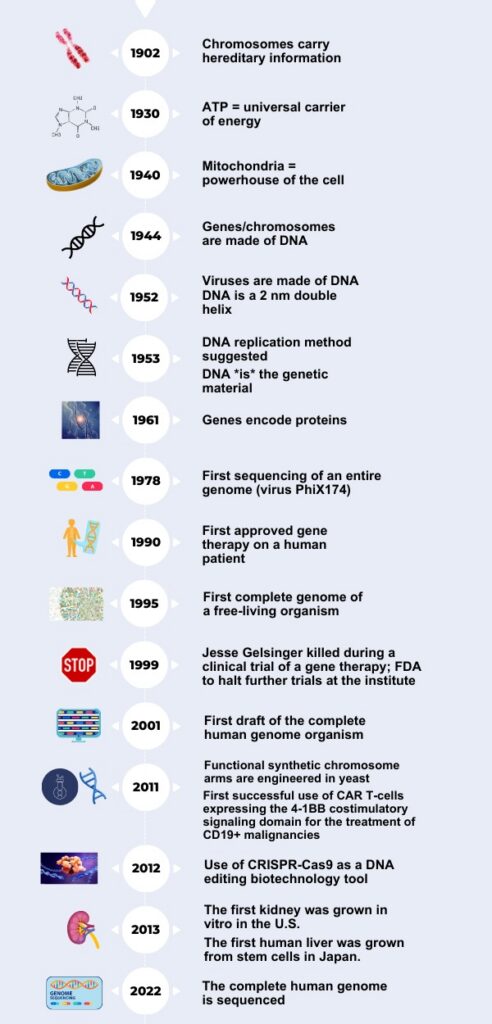
A) We developed an understanding of what life is made of, how it works and how to modify it.
Things that we take for granted today are insane breakthroughs.
For the first time, we could understand and modify our own building blocks based on first principles rather than trial and error.
We couldn't imagine successfully cloning a mammal and it having a normal lifespan despite not coming from a sperm and an egg (but just from an empty egg and the nucleus of an adult cell).
Today, we can grow healthy organ tissue in vats from one's own cells, design new life, and accurately predict protein folding with computers. We have sequenced the entire human genome, meaning we have a list of all the proteins that our cells know how to make.
Still, the scale of unknown cellular interaction and complexity is vast.
Each human has around 30 trillion cells belonging to ∼ 400 types and interacting in diverse, dynamic ways. Excluding our 90 billion neurons, most of our cells die and get replaced in a lifetime.
Much work is yet to be done.
B) We developed tools to examine what we are made of, monitor our state, and devised methods to intervene.
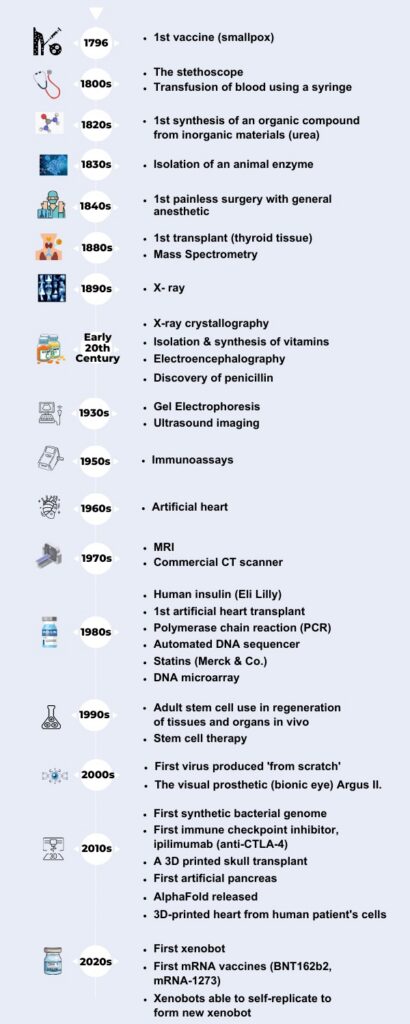
Tools and interventions have overflowed since 1900, creating a huge healthcare sector ($4.5 trillion/year in the USA) and a global pharma industry generating over $1 trillion per year.
With vaccines, antibiotics, and blockbuster drugs, we have achieved major health milestones.
Smallpox and polio are all but eradicated, and many types of trauma are no longer deadly.
Early detection has improved cancer survival rates, and transplantation medicine is a real solution for those with organ failure.
As a result, in the past century we substantially extended life expectancy and even expanded the average lifespan by 10-15 years.
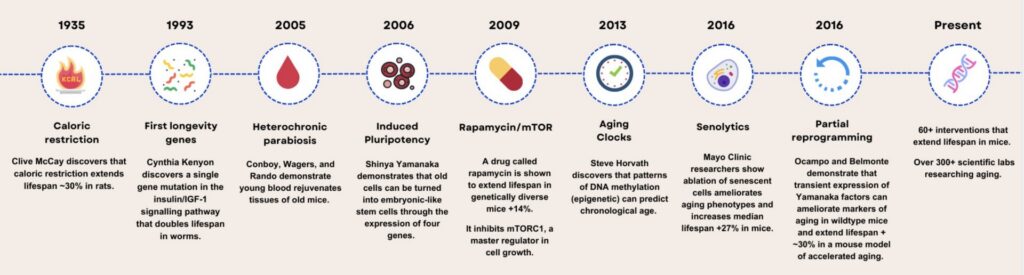
Progress has also happened in manipulating lifespan. Caloric restriction experiments as early as the 1930s extended mouse lifespans by 30 to 40%, and we showed even greater lifespan extension in Drosophila in the 1980s via selective reproduction. However, there was no evidence that life-science-based intervention could extend lifespan until 1993, when Cynthia Kenyon's lab doubled the lifespan of C. elegans (a roundworm) through genetic manipulation. Since then, genetic interventions have increased the lifespan of C. elegans tenfold.
These and other early discoveries in aging biology (telomerase, sirtuins, embryonic stem cells) spawned a small but energetic longevity biotech field. In 1998 we learned that hydra jellyfish are effectively immortal, and in 2009, that naked mole rats do not show higher mortality with age.
In 2006 Shinya Yamanaka of Kyoto University found a way to induce pluripotency by exposing cells to certain proteins and driving epigenetic reprogramming, later winning him the Nobel Prize. Follow-on research revealed a comprehensive reversal of biological age with these "Yamanaka factors", spawning a host of companies, which together have attracted over $4 billion in capital in the last five years. This includes Altos Labs, which raised $3 billion, the largest seed round in history, allegedly from billionaires such as Yuri Milner and Jeff Bezos, as well as the Saudi sovereign wealth fund.
Billionaire Brian Armstrong co-founded and made an "initial" $105 million investment in New Limit, a company in the epigenetic reprogramming space, and Sam Altman made a $180 million investment in Retro Biosciences. While epigenetic reprogramming produces amazing results in vitro, it has not yet shown substantial effect sizes in vivo, and there are concerns about the method's tumorigenicity. In parallel, in 2013, Art Levinson (founder of Genentech) teamed up with Cynthia Kenyon to found the California Life Company (Calico) with $500 million of funding from Google to work on aging.
Since then, Calico received another $1.5 billion from Pharma giant Abbvie, but has so far brought no products to market and published relatively little.
The DrugAge database notes that 6 of 236 pharmacological interventions tested in mice extend maximum lifespan by at least 25%, and some by up to 40%. Even though only 5% of the drugs tested in mice also work in humans, these milestones were unthinkable just a few decades ago.
A short history of longevity biotech
An introduction to how biomedical innovation has happened so far
Until 1500, scientific innovation mostly came from practitioners and citizen scientists, while universities focused on theology and philosophy. Since then, 50% to 90% of scientific innovation has somehow been tied to universities, and more recently, to public bodies.
For health research, a major shift occurred in the late 19th century, when major nations created institutes for biomedical and public health research. In the US, the main organization is the National Institutes of Health (NIH), which today spends more than twice as much as the rest of the world combined, making it the main funder of biomedical research worldwide.
The NIH was founded in 1887 to focus on infectious diseases. It expanded to include public health in 1930, and added basic biomedical research in 1948. Until 1950, all research was done in-house, but by 2022, ~ 80% of NIH funds went to external institutions.
The NIH has made huge contributions to biology and health science, funding groundbreaking discoveries and technologies as well as better treatments and methods for disease prevention.
It has also created "moonshots": While delivering mixed results, the War on Cancer (since 1971), led by the National Cancer Institute, received $7.5 billion (0.03% of US GDP) in 2022 and close to $200 billion overall. On the other hand, the Human Genome Project, considered potentially impossible when started in 1990, successfully mapped most of the human genome by 2003 for a total cost of $2.7 billion.
The NIH prioritizes funding based on congressional mandates, and has certain allocation biases given its committee composition. For example, the National Institute of Aging, which received $3.8 billion in 2022, has a mandate to use the majority of its budget for Alzheimer's research, such that many call it the "National Institute of Alzheimer's".
Since most life science research grants in the United States come from the NIH, it's almost as if the researchers are working for one boss. This can be a suboptimal way to promote diverse ways of thinking and innovation.
NIH Budget Since 1938
Understanding regulations and regulatory bodies
When biomedical innovation started, regulation was scarce, allowing for profit and abuse. The new field attracted chemical companies, which pivoted to the lucrative sick-care category and became top Pharmas (Pfizer: citric acid and borax, Merck: lab reagents, Roche: dyes, Novartis: dyes).
With time, concerns grew about negative outcomes caused by unethical players or insufficient standards; one example is the Elixir Sulfanilamide tragedy, where 100 people died from a toxic ingredient.
By ∼ 1900, these issues drove governments to form regulatory bodies for food, drugs, medical devices and cosmetics. In the US, this is the Food and Drug Administration (FDA, established 1901).
The FDA set guidelines for ingredient labeling (1938), safe manufacturing practices (1953), and informed consent for clinical trials and drug advertising (1962). Also, it developed a framework for running clinical trials and standards for how to deliver health interventions to consumers. These efforts improved public health and protected consumers.
With some exceptions, like statins, the FDA struggles to approve pre-emptive interventions, and its safety mandate makes it unlikely to approve interventions that harm 1/100 but help the other 99.
Also, many criticize the FDA for being influenced by financial ties to the industries it regulates, and for an overly expensive and onerous trial process that slows innovation.
The only regulatory organization comparable to the FDA is the EU's European Medicines Agency (EMA), whose budget is half the size of the FDA's. While every country has its own regulatory process, most industrialized economies look to the FDA and EMA for inspiration, creating a tendency towards global groupthink about standards and practices.
Some countries are exploring new ways to accelerate innovation in longevity. For example, in recent years companies like Loyal, Rejuvenate Bio and others have tried to extend the lifespans of large dogs without running lengthy and expensive FDA trials. In 2023, Loyal was approved to run a trial for its drug with lifespan as an endpoint.
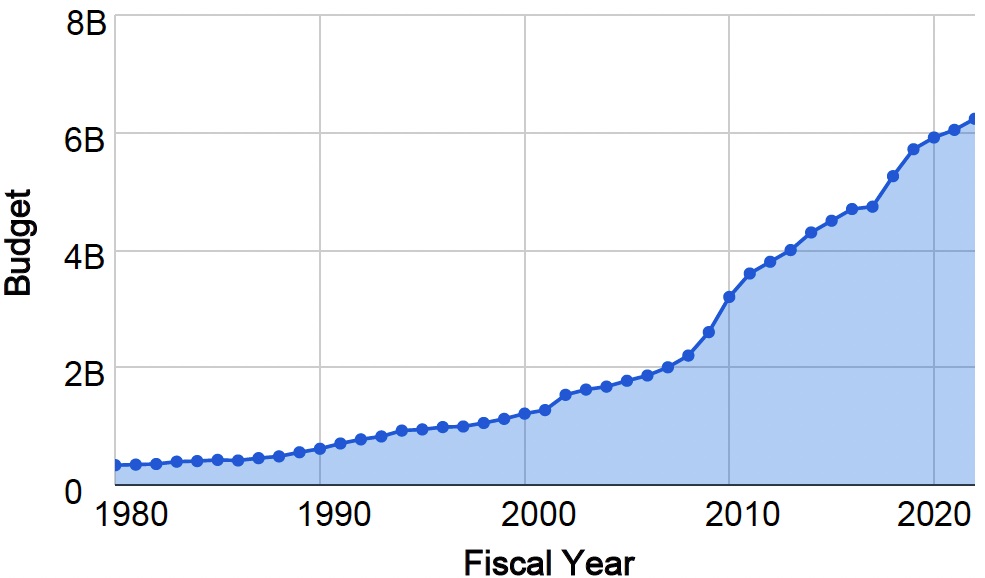
FDA Budget Since 1980
Conclusion
So far, humanity's attitude to health has been reactive and short-termist. Accordingly, we do well with acute trauma and infectious disease but poorly with chronic conditions and lifespan extension.
And while Pharma and biotech have produced valuable innovation, they are unlikely to make major lifespan breakthroughs because their principal incentives are feasibility and profitability.
Because medicine so far presumes aging and death are inevitable, it focuses on treating disease and spends trillions annually - with diminishing returns. Without a revolution, this system can't unlock major gains in maximum lifespan and healthspan.
There is hope, though. The last century set the foundation for moonshot R&D efforts and established thoughtful organizations that care about public welfare. If we combine these advances with new approaches, we stand to achieve significant lifespan gains.
Now is the time
Three factors make the timing ideal for a longevity revolution.
- The science is clearer than ever
- Public sentiment is ripening
- The internet and remote work
The science is clearer than ever
Since 2000, there has been an explosion of biomedical innovation in everything from genomics, computational biology, and AI/machine learning, to robotics and other enabling technologies. In that context, longevity science has made real strides. From virtually zero understanding of aging, we can now characterize key aspects of it at the molecular and cellular level.
We have identified multiple longevity-associated genes in humans, and applied diverse genetic and pharmacological interventions in mice which materially extended maximum lifespans. Thanks to progress in molecular biology, we have some mechanistic understanding as to how and why these interventions work.
An explosion of data and processing capacity allows us to harvest vast amounts of information and extract key insights (metabolomics, proteomics, genomics), while computational approaches like DeepMind's AlphaFold promise to dramatically accelerate drug discovery and novel interventions.
Tooling is reaching key inflection points as well, with genetic sequencing costs dropping fast, as are the costs of genetic editing. These innovations have allowed the first gene therapies to hit the clinic and deliver cures for previously incurable conditions.
Further, omnipresent wearables allow functional data collection at massive scales.
Within the field of longevity science, epigenetic reprogramming has attracted unprecedented interest, with billions in funding and the largest startup seed financing in history. Using this technology, we can restore sight in mice, create rejuvenated autologous iPSCs and re-differentiate them into desired cells and tissues. This reduces organ replacement with one's own rejuvenated cells to an engineering challenge.
Ripening public sentiment
In tandem, there is growing demand for longevity.
While most politicians are not yet ethically motivated to extend maximum lifespans, they see a failing, expensive sick-care system where a 10-year disparity between lifespan and healthspan is economically devastating. As a result, some have opened the door to geroscience: the idea that by focusing on aging itself we can impact all diseases of aging and extend lifespan.
The inflation-adjusted cost of developing a new drug roughly doubles every nine years (Eroom's law), and untold billions are spent to fight the diseases of aging with little to show for it. Most 40-year-olds today will live another 45 years, ∼ 20 of which will be ridden with diseases of aging. So the quality of life gain versus the cost of (sick) care doesn't add up.
Underserved, consumers have taken things into their own hands, driving a boom in preventive and proactive health. This trend has made thought leaders like Peter Attia, Andrew Huberman, and David Sinclair stars, while social media and wearables amplify a desire for permanent youth.
The intersection of science and demand is increasingly evident.
The internet and remote work
In the past few years, the combination of the internet and COVID-driven remote work has allowed people to seamlessly move, and to effectively coordinate digitally and physically.
While government failures undermined public faith and led people to question basic assumptions, Operation Warp Speed showed we could safely develop and deploy a vaccine using novel technology in one year instead of ten. It also showcased the bankruptcy of a system that failed to save many people because it wouldn't run informed consent trials that could have made vaccines available many months earlier.
At the same time, internet-enabled cryptocurrencies allow large groups to quickly coordinate financial power, and of the $1 trillion of wealth transferred to crypto, much is controlled by individuals aligned with the longevity message. DAOs are another good example of groups coordinating and deploying capital outside traditional structures.
The above factors also enable large groups of people to physically move at the same time, making it much easier to amplify a local constituency of Vitalists. It's no longer a pipe dream to win an election in a small jurisdiction or move to a promising place.
Additionally, remote work has turbocharged jurisdictional experiments in charter cities and special economic zones. Such initiatives help governments by serving as a magnet for talent, capital, and innovation, and in return these jurisdictions receive autonomy in everything from biomedical regulation and clinical trials to financial regulation.
For example, Prospera, a private city and special economic zone in Honduras, is developing a prolongevity regulatory system, and already has services like Minicircle offering gene therapies that are not allowed in other jurisdictions.
The internet has also democratized access to the longevity message. Viral media against aging and death has proliferated, and new venues increasingly attract like-minded people to support and energize one another. For example, the Longevity subreddit grew from 16.4K to 148K members between 2018 and 2023.
Bonus: An Ethical and Philosophical Revolution
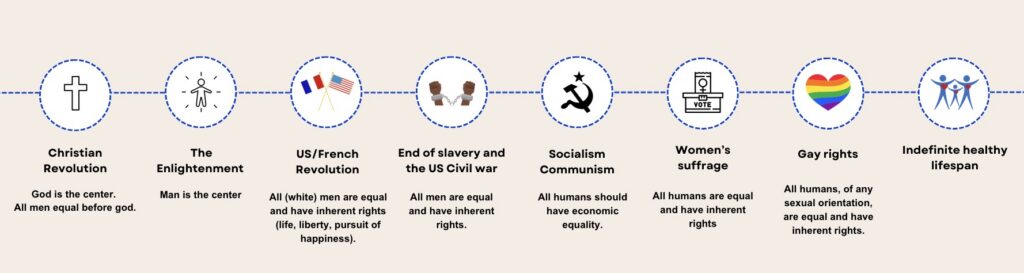
Changes in the underlying economics and science have put society on the cusp of an ethical revolution that will enshrine indefinite lifespan as an axiomatic human right.
After the Enlightenment and the fall of communism, the dominant but unspoken world philosophy has been existential hedonism; the idea that the good life is finding what you love, self-actualizing through that, and rinsing and repeating until you die.
This philosophy is being questioned because it enshrines pleasure and suggests we should live and die as all humans did before us. It's operating inside the box without probing the boundaries of the box itself. Also, with growing irreligiosity, aging and death are increasingly perceived as technical problems and not a godly destiny.
Regardless of whether revolutionary philosophies trigger new socio-economic realities or merely reflect them, philosophy tends to end up matching social and technological realities.
In the context of substantial lifespan extension, a new philosophy is needed. And philosophical revolutions often lead to political revolutions.
An arc of ethical revolutions
Strategy
Rather than burn trillions on sick care, we should stop our greatest killer - aging.
Wouldn't you go to total war if somebody was coming to kill you and everybody you know?
At its peak, WWII took 40% of US GDP and involved 25% of the population. That's what it looks like when humanity is really trying.
The problem is, the war on aging could take many years, and with a WWII kind of effort, may not be sustainable. So instead, Vitalism is starting with a goal of Maximum Viable Resourcing (MVR), which is the most we can do without burning out or reinventing how the world works.
The following analyses point to an MVR of ∼ 1% of global GDP and ∼ 600,000 people working on the root causes of aging, an 1,800-fold increase in investment from 2022.
The only plausible way to reach this level of resourcing is through State-level influence; in other words, creating a Longevity State or States.
In the following sections we'll discuss:
- How we came up with 1% of GDP
- What we could do with 1% of GDP
- Why State-level influence is the best way to get 1% of GDP
- Strategies to build Longevity States
How we calculate the MVR
Calculation #1: Learning from past monumental projects
Innovations once thought impossible include human flight, space exploration, deep-sea exploration and eradicating major diseases.
Until WWII, innovation received comparably small direct investment, and was often driven by universities and self-financed citizen scientists. Since then, however, governments have responded to existential threats by successfully completing monumental innovation projects.
The Apollo program is one such project. With a total budget of ∼ $25 billion (∼ $800 billion today), ∼ 400,000 participants, materials, and regulatory needs, only a government could do it. At its peak in 1966, the annual Apollo budget was ∼ 5.9 billion, representing 0.4% of US GDP. Comparably, the Manhattan Project cost around 0.4% of US GDP in its peak year.
Estimated MVR: 0.4% of global GDP/year.
Calculation #2: A top-down analysis of resources we can divert to fight aging
To evaluate what we could divert to fight aging, it's useful to look at the US sick-care system, which in 2021 consumed 17% of GDP, or $4.3 trillion. The US is a huge anomaly, spending 5% more of GDP than the next closest country (Germany, at ∼ 12%) and getting worse health outcomes than countries like Israel, which spends only ∼ 7.5% on healthcare.
Of this spend, around $1.7 trillion is spent directly by the US government (i.e. tax money). With a government reorganization and better regulations, the US government could save 20% of government spend ($340 billion/year) and reallocate it to fight aging. This assumes the unlikely outcome of no positive externalities in private markets, and zero health improvement dividend from dedicating $340 billion/year to aging research (1.38% of US GDP). It's more likely that within a decade aging research will extend life expectancy, with research showing each year of life expectancy extension can add $29.7 trillion to the US economy, when assessing the additional value created by all people alive today over their remaining years.
Other countries have more efficient sick care than the US, but it's reasonable to estimate they could save 10% of their spend, especially with the geroscience approach, which seeks to proactively delay the impacts of aging and converges with basic scientific innovation in the fight against aging. Taking only the 19 countries that have over $30,000 GDP per capita ($30 trillion of global GDP combined, with 9.4% of GDP health spend), we can expect that ∼ 0.94% of GDP could be allocated to the war on aging. It is important to note that most of these countries have socialized medicine and can therefore impact overall costs more directly than the US. Combined with the US, we should conservatively aim for ∼ 1% of global GDP.
Estimated MVR: 1% of global GDP/year.
What we would do with 1% of global GDP/year
Our target: a turbocharged innovation pipeline
Brains -> Ideas -> Idea refinement -> Translation -> Interventions
Let's start by understanding how innovation happens. To get more ideas, we either need more brains or existing brains working in new ways. There is a huge amount of opportunity to increase both. Today, hardly any kids are educated to think aging is a problem, few students study it and few labs focus on it. The labs that exist have tiny funding, limiting research and grad student slots, while the journal-publishing system for the exchange and validation of knowledge has serious weaknesses.
Additionally, much research is disallowed by regulation, and even the most generous assessment puts the entire longevity world as employing 5,000 people across ∼ 150 companies and 400 labs (vs. millions of people in startups and tens of millions in tech). Given the potential impact of longevity science, it would make sense to fund at least an order of magnitude increase in all of the above.
Plus, if a discovery makes it out of the lab, it costs $1 billion on average to reach FDA approval. In that context, the entire longevity world today has around 30 interventions (almost all incrementalist) at some stage of clinical trials vs. 100 for even one big Pharma company.
Overall, the US had 7,000 active Phase 1 trials in 2023. Of the interventions these evaluate, 13.8% (∼ 1,000) will likely be approved. If we believe that true health care should be pursued with at least the same ferocity as sick care, this suggests we should spend $1 trillion/year to fund 1,000 treatments, allocating the funds via diverse incentives to big and small players.
Additionally, much academic research is mis-incentivized, driving publishing vs. achieving meaningful breakthroughs. To counter this tendency we could deploy massive amounts of capital in grants tied to meaningful key performance indicators, as well as fund new institutes where necessary interdisciplinary work can be done with greater freedom and speed - many mini DARPAs.
Money can help elsewhere too, like with attracting talent, which today is making millions in the software industry. Merely having enough money for a longevity startup doesn't mean you can attract the best talent. Avoiding longevity biotech is rational from an employee perspective because biotech has lower compensation, lower transferability of skills, lower exit potential, and regulatory gatekeepers like the FDA that can kill your company.
Funding prizes can also be highly effective. X-Prize-style prizes sponsored by the government are known to motivate investment of up to 35 times the value of the prize; if we could define 50 sub-goals in longevity and fund them, this would be a wonderful way to scale up investment with high leverage.
Importantly, we should deploy funds even if some enabling technologies turn out to be missing. In the worst case, our investments may expose such needs and help guide adjacent research or inform us in directing funding there. We should avoid compartmentalization and keep a flexible mindset and capital allocation system.
Why State-level influence is the best way to get 1% of GDP
Going for State-level influence was not a foregone conclusion, but the result of a systematic analysis of ways to dramatically accelerate longevity science, including via existing approaches. Let's start by reviewing existing approaches.
- Deliver incrementalist interventions through private firms, hoping something works well enough and fast enough to change public opinion and skyrocket interest and funding
(a) Many longevity companies belong here. The idea is that if a successful intervention hits the market, resources will rush in. It's hard to believe this storyline given that existing lifestyle interventions can add a decade to healthy life and few pursue them or agitate for respective investment.
(b) Venture capital isn't motivated by longevity but rather by 10-year profit cycles, biasing any company to end up catering to the sick-care system.
(c) Hoping incrementalism will lead to an inflection is like waiting for evidence that we can stop climate change before starting to try.
- Change regulations and funding through traditional lobbying
(a) Traditional longevity lobbying is tiny. For context, longevity lobbying annually spends around $2 million globally, while Pharma spends at least $300 million.
(b) Even if lobbying works amazingly well and convinces the US government to declare a War on Aging at the scope of the War on Cancer, we can expect no more than $6 billion in annual research funding (the National Cancer Institute's budget), a best-case scenario which is very far from what we need.
- Petition billionaires to deploy capital (looking at you, Calico and Altos)
(a) Of 2,700 billionaires worth $13.1 trillion, total investment in longevity has been ∼ 12 billion. Most has gone to for-profit ventures that end up aiming for incremental innovation given regulatory and big Pharma influence. Capitalist incentives won't work here because we need too much new basic science.
(b) The little that goes to non-profits (SENS, Methuselah) has had limited impact.
(c) Most UHNWI are not invested in longevity; it's unclear if they can be convinced.
(d) Billionaires don't have enough capital to fund the scope of work.
- Work on "moonshot science" despite meager resources
(a) Only a handful of (mostly underfunded) companies are working on what may be fundamental breakthroughs, but these are way too few shots on goal.
- Focus on AI
(a) Investment in AI should be a core part of any strategy, but it can't be our only bet.
(b) AI already attracts massive resources given its immediate value.
(c) Even if AI enables major breakthroughs, we may still need biologists and other experts to apply the breakthroughs to longevity.
While each strategy above is laudable, none are likely to:
- deploy anywhere close to sufficient amounts of capital
- attract vast numbers of people to work on the problem
- substantially change the regulatory context
Vitalism supports any effective effort to end aging, including all of the above. However, we believe State-level influence is the only plausible way to succeed and therefore must be a major strategic focus.
Given its unique potential, AI deserves particular attention. For example, a new institute could be located in a candidate Longevity State and bring together AI experts, roboticists and biologists to close the gaps between data, AI and lab automation, enabling the industrialization of experiments combined with the iteration speed and scope of AI. This would create a high density of skilled talent in that State and make it a global center of relevant innovation.
State-level leverage is uniquely appropriate to fight aging and death
To turbocharge the innovation funnel, we will need people, capital and improved regulations. Only government-level intervention can achieve the needed scope of influence.
Capital
One percent of GDP is an amount of capital that only public sources can rally. While the private sector shines in efficiency, it doesn't scale. For example, the largest private projects in history cost a few billion USD, while government moonshots have been 100 times larger. Also, governments control unique resources such as radio spectrum, land, and more. Finally, private capital is driven by profit and has trouble funding basic research and other long-term priorities like longevity.
People
To a certain degree, both the quality and the quantity of people are necessary to accelerate innovation. Since people need to get paid, capital is a major lever to engage talent. But States can do much more than attract talent with capital. They can set a K-12 educational curriculum and sow seeds of interest that will flower into motivation to work in a given field. Also, the State's stamp of approval can normalize a field, bringing a strong halo of validation to encourage new entrants.
Laws and Regulations
States are the main entities that control the process of evaluating and delivering health interventions. Without longevity-friendly regulations, any innovation in the fight against aging will be stillborn or take a very long time to reach customers, greatly slowing iteration speed.
Also, when considering potential research windfalls such as massive data collection and consolidation, as well as standards-setting, only governments can set the rules.
Finally, only independent States control their own healthcare systems and are thus able to carry out major reforms. Such reforms are the key to bringing longevity interventions to all, and to flipping the paradigm from sick care to health care.
How to Build Longevity States
Historically, major resource reallocations follow a pattern. They start with a hardcore group, gain a beachhead and grow at key inflection points. This is Vitalism's playbook for Longevity States.

Our hardcore group will be made up of members of the existing longevity community and new participants who are either on the fence or not yet aware of our message.
As of April 2023, we estimate the global self-identifying longevity community to be a few million strong, of whom ∼ 500,000 - 1 million care about lifespan and ∼ 100K - 200K are Vitalists.
- Longevity Subreddit: 148,000 members; David Sinclair: 368,000 Twitter followers, sold millions of copies of "Lifespan"; Peter Attia: 200,000 downloads/week; Andrew Huberman: 958,000 Twitter followers; Brad Stanfield: 162,000 YouTube subscribers
Promising jurisdictions will likely have one or more of the following factors, and maybe others:
- Context that allows major Vitalist influence in less than 5 years
- Control of taxation
- Control of K-12 education
- Regulatory autonomy/flexibility on matters of health and biomedical innovation
- Ability to serve as a fertile ground for expansion
- Accessibility, since attracting certain talent may be key
Reviewing potential jurisdictions
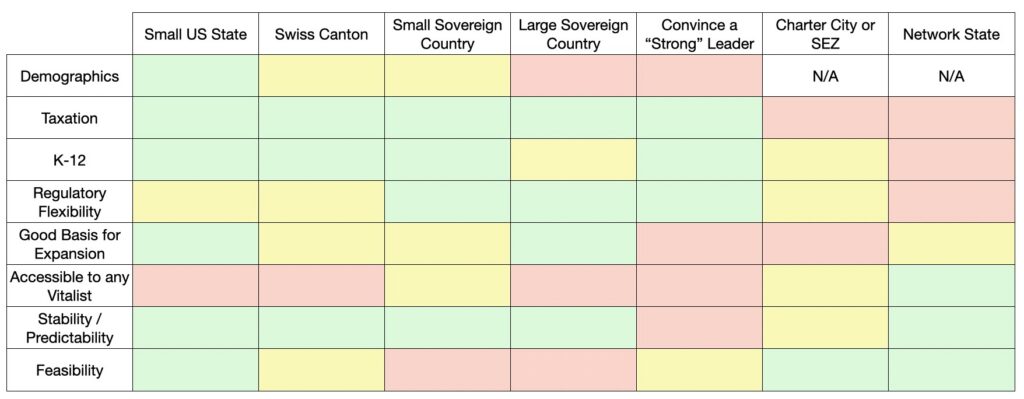
Notes:
- Small US States have disproportionate leverage at the national stage via 2 senators.
- Small sovereign states that may be a fit are often hard to get to, making it unlikely people will move there. They also often lack relevant infrastructure, funding and skilled talent.
- Special economic zones and charter cities also often lack relevant infrastructure and skilled labor.
Forming the 1st Longevity States and the Longevity Network State
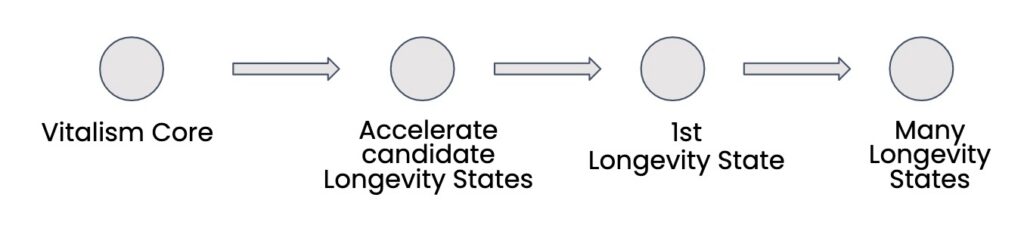
We call for Vitalist leaders to join a congress to identify the most promising jurisdictions and strategically accelerate their efforts, keeping in mind every jurisdiction's respective advantages.
As Vitalist influence grows, it will impact budgets, education, regulations, and health policies in ways that are fundamentally different from the status quo and align with our mission.
In the right circumstances, it's feasible for Vitalist voices to have a decisive impact in 3-4 years.
Our goal is to elevate whatever community we are a part of, driving jobs, wellbeing, and general prosperity. Therefore, engaging and including residents and local leadership is critical.
By understanding local decision-making processes and creating specific next steps to improve the general community, we can offer win-win solutions.
In any jurisdiction, some members will join us from the local community and others will move independently from elsewhere. For new residents, we expect many to visit first and only move once they establish local ties or connect with a community that intends to move together.
Building a Longevity Network State
The network state (coined by Balaji Srinivasan) is a concept that aligns with other state-building efforts; it speaks of establishing an online committed community of action among people who share a distinct worldview, and then extending the commitment and interactions among that community, such that ultimately the community is so strong and independent that it can manifest forms of traditional state functions and powers.
Since we plan to support the establishment of many Longevity States, we see the Longevity Network State as a digital basis for a Longevity Nation, starting with a network union of Vitalists.
- A good first step can be a site where daily actions are listed for our community. Completing actions can be rewarded with "karma" points or another virtual good, encouraging members to act on tasks that promote our common goals.
- Additionally, Vitalism will host events for community connection and support.
Financing the Strategy
Vitalism calls for the creation of public benefit corporations or similar entities to create an economic engine for the movement as well as coordinate and aggregate community support. Such entities will provide goods and services of interest to Vitalists and the general public.
Whenever possible, such efforts should allow community members to directly invest in Vitalist entities (i.e. entities that embrace the Vitalist mission) and thus be involved in specific decision-making contexts for those entities.
Finally, Vitalism calls for the initiation and amplification of platforms that accelerate and solidify the economic foundations of our community. This could be expressed in the form of a token, common funds or other mechanisms.
How Vitalism will grow
Alongside State-building, Vitalist organizations will create content, media, branding and marketing to amplify the Vitalist agenda across the entire ecosystem. Examples of organizations that share Vitalist values include VitaDAO, lifespan.io, Jellyfish DAO and others.
As Longevity States form, members who join them will enjoy substantial health and community benefits, leading to word-of-mouth marketing.
In the meantime, for-profit initiatives and partnerships will build up their own communities and operate in a lifespan-positive context. As often as makes sense, these initiatives may serve as an on-ramp into the greater Vitalist community and philosophy.
The First Vitalist Organization
Our mission: Allow every human to live in optimal health indefinitely
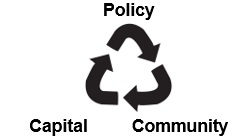
We have established the "Vitalism Foundation" as the first Vitalist organization, to build public goods, promote and support Vitalist initiatives and set the foundation for other Vitalist organizations. The Vitalism Foundation is designed to support pragmatic execution over a long time horizon, combining capital, community-building and policy. It is intended to be the default community for all Vitalists.
Membership
Anyone can join the Vitalism community by embracing the Vitalist Declaration.
Legal Structure
The Vitalism Foundation is a Delaware 501(c)4 non-profit corporation.
Governance
The Vitalism Foundation will be governed by a board of directors, one of whom will be the chairperson. Directors will be elected for a tenure of 6 years. The founding board members will serve for a longer duration to maintain stability and continuity as the organization is being built. A CEO will be chosen by the board to manage the organization, and the board itself will be expanded once Vitalism hits key milestones.
Vitalism Foundation: Selection of functional roles
- Maintainer of the Vitalist Declaration, Whitepaper, and core content
(a) Producing Vitalist media and content that promotes our values and agenda. Defining and publicizing the Vitalist position on key scientific, regulatory and other questions
- Sole party which designates organizations/individuals as Vitalist or representing Vitalism
(a) Owner of Vitalism/Vitalist wordmarks and trademarks
(b) Designation will be handled by a Vitalist Assembly, made up of highly committed Vitalists
- Coordinating the community to connect people and amplify individual and organizational effort
(a) Managing communication platforms, other community engagement, running local chapters, producing local and global events). Vitalist investor groups
- Policy engagement
(a) Within what's permitted, we will want to promote our agenda and deploy resources accordingly, including in State-building analysis, operations, planning and outreach
(b) Engage with the media to deliver our message
- Policy and investment research
(a) Carrying out research to evaluate where resources ought best be deployed. In some cases we may take capital and deploy it to organizations at the top of this list.
- Help spin up new organizations and possibly allocate funds
(a) Ensure the ecosystem covers areas that are high priority but underserved (e.g. certain research, outreach to key segments like students and the elderly)
Let go of your preconceptions and consider how weird reality is.
We are on a ball of rock in a void, spinning around a fusion furnace.
We don't know why, what the limits are, and what we can do if we only dare.